Workplace Pest Control in North York: Prevention and Management Guide
How Office Pest Control Matters in North York
North York is a key office area within Toronto, with a broad range of multi-storey office towers, professional suites, medical offices, plazas, and basement-level commercial spaces. That diversity creates real pressure for pest control North York companies, especially where kitchens, mail rooms, storage areas, and shared washrooms are in constant use. Effective office pest control is not just about removing an active problem; it is part of ongoing commercial pest management that defends employees, clients, equipment, and the reputation of the building.
In office settings, pests can travel fast through common areas and service corridors. Even a small issue can become an office infestation if food storage is poor, waste management is inconsistent, or access points are left open. This is why office-focused programs rely on Integrated Pest Management (IPM), which combines inspection, sanitation, exclusion, and targeted treatments to minimize risk rather than relying on one-time sprays alone.
For property managers and tenants in North York, especially near Yonge and Sheppard, Finch, Don Mills, and the Highway 401 corridor, the goal is real-world risk reduction. That means identifying workplace pests, spotting activity signs early, and building a plan that supports compliance, tenant cooperation, and ongoing preventive maintenance.
Frequent Office Pests in North York Offices
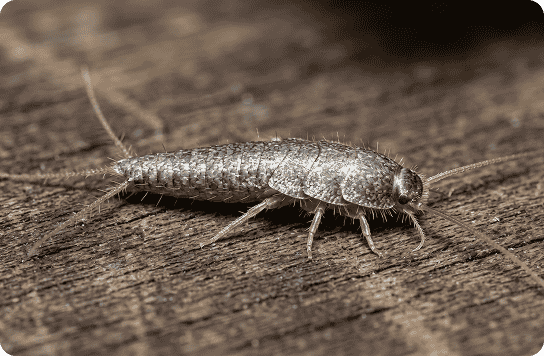
Commercial buildings in North York can attract several kinds of workplace pests, especially where food waste, moisture, or hidden harbourage is present. The most common issues involve cockroaches, ants, rodents, mice, spiders, silverfish, and flies. Each pest behaves differently, but all of them can thrive in busy commercial environments if conditions are ideal.
Cockroaches often settle in warm, dark voids near kitchens, appliance areas, and mechanical spaces. They are a major issue because they multiply quickly and can travel through shared walls and utility lines. Ants are especially frequent during warmer months in the GTA, when food scent trails can bring them into lunchrooms, garbage rooms, and reception areas.
Rodents and mice are a significant concern in offices close to loading docks, parking structures, and older building envelopes. They are skilled at moving through small entry points, and they can cause damage through chewing and nesting. Spiders, silverfish, and flies are also regular in storage areas, lower-level commercial spaces, and buildings with inconsistent cleaning or moisture issues.
Because North York includes so many mixed-use buildings and shared commercial properties, pest problems often spread between tenants. A food service business on the ground floor, a medical office upstairs, or a basement utility area can all increase pest pressure in nearby suites. That is why office-focused commercial pest control must address the entire building ecosystem, not just one suite.
Signs Your North York Office Has a Pest Problem
The sooner an issue is identified, the more manageable it is to address. Common indicators include droppings, gnaw marks, musty odours, and live insects. These indicators may appear in lunch rooms, storage closets, baseboard edges, under sinks, inside cabinets, or near dumpsters and garbage rooms.
Droppings are among the most obvious signs of rodent activity. In offices, they are often found along walls, behind furniture, around copier rooms, and inside storage areas where the lighting is low and disturbance is minimal. Gnaw marks on cardboard, electrical cords, packaging, or wood trim can also suggest rodent or mouse activity and should be addressed quickly.
Musty odours may indicate hidden nesting, moisture, or long-term https://oakville-onfr476.image-perth.org/how-to-spot-the-distinction-between-mice-and-rat-droppings pest presence. In some cases, roaches or rodents leave behind strong smells in wall voids, ceiling spaces, or cluttered areas. If you see live insects during daylight hours, especially cockroaches or ants, that can suggest the population is large enough that pests are being forced out into the open.
Other activity signs may include shredded materials, grease trails, tiny insect casings, or repeated sightings near food storage and high-traffic areas. A strong facility audit should treat any of these as a cue for corrective action, not as standalone one-off events.
What Causes Office Infestations in North York Buildings
Most pest problems in offices are caused by a few predictable issues. The first is food debris. Crumbs in shared kitchens, stuck-on residue in microwaves, and forgotten food in desk drawers can lure ants, cockroaches, and flies. When food storage is poor, pests quickly figure out where to find cover and nourishment.
Garbage rooms are another major factor, especially in larger office towers and mixed-use properties. Trash overflow, missed pickups, and poorly sealed bins create favorable conditions for pests. If waste management is poor, nearby suites may see recurring pest activity even when their own spaces are kept clean.
Loading docks can also introduce pests through deliveries, pallets, cardboard, and exterior access doors. Rodents and insects often use service entrances as secret pathways into the building. In North York’s busier commercial corridors, constant deliveries and frequent building access make these zones especially important.
Finally, building entry points are a common source of infestation. Openings around utility penetrations, worn door sweeps, broken seals, and cracks around windows or baseboards create direct access. Pests do not need much space to enter; even minor openings can become a pathway into offices, storage rooms, and shared common areas.
Seasonal pressure in warm weather from ants and flies often rises in spring and summer, while rodents seek indoor shelter in fall and winter. That seasonal pattern is especially relevant across the GTA, where temperature changes push pests toward heated buildings and protected food sources.
In what way do Pest Control North York Experts Manage Office Invasions
Expert pest control North York services commence with a detailed inspection. In an office building, that typically covers common areas, kitchens, washrooms, storage rooms, garbage enclosures, loading docks, and selected tenant spaces. The aim is to identify the source of the problem, pinpoint pest species, and assess the conditions fuelling activity.
Next, an Integrated Pest Management (IPM) approach is used. IPM focuses on sustained control through a combination of targeted methods, rather than broad chemical use. This might include baiting for cockroaches or ants, installing monitoring stations in discreet locations, and setting bait stations for rodents in secure, approved areas. These tools help professionals measure pressure, verify pest routes, and track progress over time.
Monitoring is highly important in office environments because activity can reappear if the root causes are not corrected. A good program checks whether treatments are working, whether new entry points have opened, and whether tenant habits or building conditions are causing new risk. Depending on the situation, technicians may also use dusts, gels, or targeted products with residual activity in key harbourage zones.
For offices, the treatment process should be focused and discreet. That means minimal disruption, clear communication, and treatment placements that do not interfere with employees or clients. In many cases, the best results come from a combination of control methods and building improvements, not from a single visit.
Preventive pest prevention for office buildings and common areas
Being proactive is the strongest strategy for offices in North York. Thorough sanitation is the foundation. That includes scrubbing lunchrooms carefully, taking out waste promptly, wiping food prep surfaces, and preventing the accumulation of crumbs or spills in shared kitchens. Strong cleanliness lowers the attraction that draws pests into the space in the first place.
Exclusion is equally important. A building that treats pest prevention seriously will routinely seal cracks, repair door sweeps, close gaps around pipes, and address damaged caulking. In office towers and commercial plazas, these tasks are part of practical preventive maintenance and should be treated as continuous, not one-time, work.
Regular inspections help catch problems before they spread. This includes visual checks in high-traffic areas, storage rooms, utility spaces, and garbage rooms. It also means reviewing signs of moisture, clutter, and damage that may provide harbourage. A planned inspection schedule can identify vulnerabilities early, especially in shared buildings where multiple tenants affect the same structure.
Preventive pest control also depends on clear food storage rules. Employees should store snacks and meals in sealed containers, not in open desk drawers or uncovered bins. Facilities teams should ensure housekeeping standards are steady across common areas, conference rooms, and break spaces. These habits create a major difference in risk reduction.
Tenant, Property Manager, and Facilities Duties
Within leased North York office space, pest control is rarely one person’s task. It typically requires collaboration between tenants, property management, and facility maintenance. The tenant is often responsible for day-to-day workplace hygiene in their own suite, while the building team handles shared infrastructure, exterior access, and service areas.
Good communication matters. If a tenant sees droppings in a kitchenette or notices insects near a copier room, that information should reach property management promptly. Likewise, if the building has known issues in garbage rooms, loading docks, or lower-level areas, tenants should be informed about any related preventive steps. This is where tenant cooperation supports building-wide control.
Service logs are valuable for documenting inspections, treatments, recommendations, and follow-up actions. They support compliance, show recurring service patterns, and provide a record if the issue returns. For larger office properties, service logs also help facilities teams coordinate vendors, repairs, and cleaning work.
A strong pest control program works best when everyone understands their role. Tenants handle cleanliness and reporting. Property management addresses building-wide concerns and contractor scheduling. Facilities maintain repairs, sealing, and common-area upkeep. Together, these efforts promote a healthier, safer office environment.
What to Expect with a Commercial Pest Control Service
A professional commercial pest control service for offices should open with a clear service plan. The plan typically covers the pest concerns, inspection schedule, treatment approach, and responsibilities of each party. It may also feature priority areas such as kitchens, washrooms, storage rooms, garbage rooms, and entrances used for deliveries or after-hours access.
Clients should also look for follow-up visits. Office pest issues often require recurring service because building conditions, tenant use, and seasonal pressure can change. Follow-ups allow technicians to confirm whether pests are declining, whether new activity is appearing, and whether additional corrective action is needed.
Discreet service is another hallmark of office pest control. In professional settings, technicians should work in a way that respects employees, patients, and visitors. This is especially important in medical offices, law firms, and corporate suites where privacy and professionalism matter.
Good reporting should also be part of the service. Reports may include observed activity signs, treatment locations, recommendations for exclusion or sanitation, and next-step guidance. A clear report helps management make decisions, support compliance, and track progress over time. This is essential for any serious commercial pest management program.

Area North York Considerations for Office Buildings
North York has its own pest control realities because of its dense office stock and mixed-use property mix. In mixed-use buildings, residential, retail, food service, and office functions can all affect one another. A pest issue in one part of the building may show up in a neighbouring suite, even if that office is doing everything right.
Subway access and transit-connected corridors also matter. Busy commuter traffic brings more deliveries, more waste movement, and more wear on doors and public-facing spaces. Areas around Yonge and Sheppard and Finch can experience frequent foot traffic, which increases the importance of clean common areas and monitored entryways.
High-rise offices pose their own challenges. Pests can travel through chases, utility penetrations, and service shafts, making upper floors susceptible even when the problem starts near a loading dock or basement utility room. In larger towers, collaboration between tenants and property teams becomes critical for control and treatment.
North York also includes shopping plazas and basement-level commercial spaces where moisture, storage, and shared walls can create pest pressure. Seasonal pest pressure is a constant factor across Toronto’s north end, with ants becoming more active in warmer weather and rodents moving indoors during fall and winter. Local experience matters because treatment plans must account for the building type, the season, and the surrounding neighbourhood.
FAQ About Office Pest Control in North York
How often should office pest control be scheduled in North York?
Most offices are better with recurring service rather than one-time treatment, especially in shared buildings or properties with food prep, garbage rooms, or loading docks. The right schedule depends on the degree of risk, the size of the building, and whether the site has had a recent office infestation. For many businesses, a service agreement with regular monitoring is the best way to promote preventive maintenance and long-term control.
What pests are most common in North York office buildings?
The most common workplace pests in North York offices include cockroaches, rodents, mice, ants, silverfish, spiders, and flies. The actual mix depends on the building type, sanitation standards, and nearby conditions. High-rise towers, medical offices, plazas, and basement spaces may each attract different pests, which is why inspection and monitoring are so important.
Can pest control treatments be done without disrupting employees?
Yes. A professional provider should offer discreet treatment options that fit office operations. This often means scheduling work around business hours, placing monitoring stations in low-visibility areas, and using targeted methods that minimize disruption. Good communication helps employees know what to expect while keeping the office functional.
Who handles pest issues in a leased office space?
Responsibility generally depends on the lease and the source of the issue. Tenants are often responsible for workplace hygiene, food storage, and reporting problems in their own suite. Property management and facility maintenance usually handle building access, common areas, structural repairs, and service coordination. Service logs can help clarify what has been done and by whom.
What do I do if I notice mouse droppings in my office?
If you find mouse droppings, notify the appropriate person right away and keep the area undisturbed more than necessary. The next step should be a professional inspection to locate the source, identify entry points, and determine whether bait stations or monitoring stations are needed. Prompt corrective action matters because droppings often indicate active rodent presence, not just a past problem.